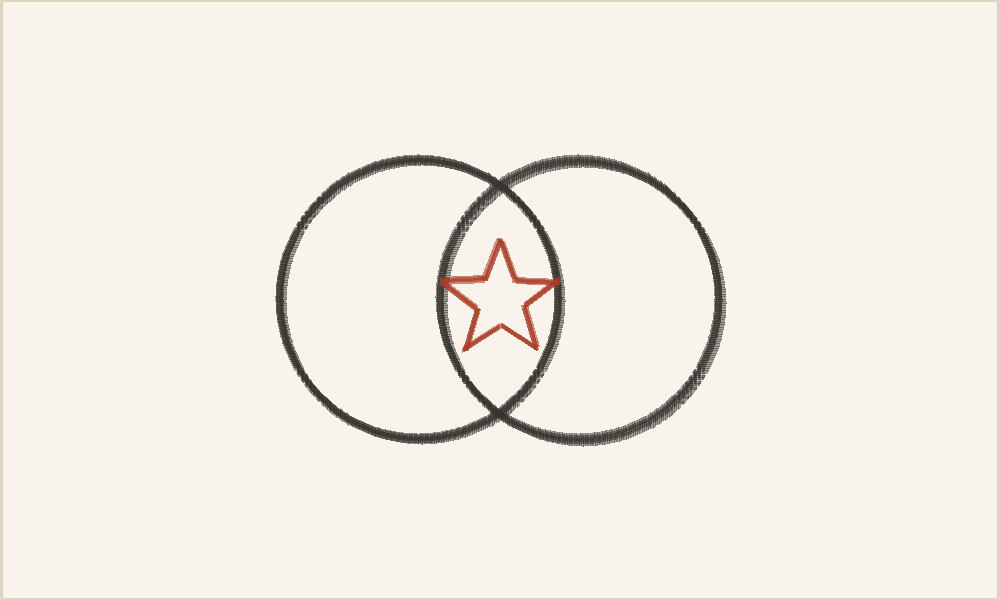
When giftedness and additional learning needs coexist, inclusion must make space for both. Inclusive education asks us to look beyond what a learner cannot yet do — but with twice-exceptional students, it asks us to look even deeper. A twice-exceptional (2e) learner is a student who demonstrates giftedness or high potential while also experiencing a disability, developmental difference, or learning need. Their profile may include remarkable reasoning, creativity, problem-solving, memory, verbal ability, or specialised interests alongside challenges in areas such as literacy, executive functioning, attention, communication, motor skills, or emotional regulation.
What makes 2e learners particularly complex is the interaction between these two dimensions. Sometimes the learner’s strengths compensate for their difficulties, making their support needs less visible. At other times, their challenges become so prominent that their giftedness is overlooked. Research increasingly identifies this masking effect as one of the reasons 2e learners can remain unidentified or inadequately supported.
The learner who doesn’t fit into one box
In a common classroom, a gifted learner may be expected to work independently and demonstrate consistently high achievement. A student receiving additional support, meanwhile, may be primarily viewed through the lens of their areas of difficulty. But what happens when the same child is both?
A student may produce exceptionally creative ideas but struggle to organise them on paper. They may demonstrate advanced conceptual understanding but find written expression difficult. They may solve complex problems yet struggle with attention, transitions, or sensory demands. They may ask sophisticated questions while finding everyday classroom expectations overwhelming.
These inconsistencies should not automatically be interpreted as a lack of effort, motivation, or ability. They may be telling us that the learner’s potential and performance are not always expressed through the same pathway.
Inclusion must address both sides
Supporting a 2e learner should not mean choosing between enrichment and additional support. It requires both. The student may need appropriate challenge, extension, creativity, and opportunities to demonstrate advanced thinking — while simultaneously receiving reasonable adjustments, scaffolding, explicit teaching, assistive tools, or targeted support for areas of difficulty.
A strength-based approach is particularly important. Research on twice-exceptionality has emphasised the need for teachers to develop strengths while also addressing areas of need, alongside collaboration between educators, families, and specialists.
The question shifts from “What is this student struggling with?” to “What does this student already do exceptionally well, where are the barriers, and what can we change so their potential becomes accessible?”
Bringing 2e awareness into the everyday classroom
Awareness does not have to begin with a separate programme. It can begin with how teachers observe, plan, and respond.
- Look for the discrepancy. Notice significant differences between a student’s conceptual ability and their classroom output. Such discrepancies can be valuable indicators for further exploration rather than reasons to lower expectations.
- Use multiple sources of evidence. No single assessment should define a 2e learner. Recent systematic research on identification highlights the value of combining formal and informal information rather than relying on one criterion alone.
- Preserve cognitive challenge. Support should not unintentionally remove intellectual challenge. A learner who needs support with writing may still require advanced questioning, higher-order thinking, and enrichment.
- Separate the barrier from the ability. If handwriting is a barrier, consider alternative ways of demonstrating knowledge. If processing speed is a concern, consider additional time. If sensory demands interfere with engagement, examine the environment. The objective is not to reduce the learning expectation unnecessarily, but to reduce the barrier to accessing it.
- Build on strengths intentionally. Interests, creativity, visual thinking, technology, problem-solving, or advanced subject knowledge can become pathways for engagement and confidence.
- Create one collaborative picture of the learner. Teachers, inclusion professionals, parents, and specialists should share observations rather than working in separate silos. A holistic learner profile can reveal patterns that may otherwise remain invisible.
From awareness to belonging
Recent research examining teachers’ experiences suggests that limited knowledge about twice-exceptionality remains a significant challenge, with teachers sometimes focusing predominantly on weaknesses and being less likely to connect 2e learners with gifted education opportunities.
This is why professional learning matters. Every teacher does not need to become a specialist in twice-exceptionality. But every teacher should be able to recognise that high ability and learning difficulty can coexist. A 2e learner should not have to prove their giftedness before receiving support, nor should they have to struggle academically before their strengths are recognised. True inclusion means holding both realities at the same time.
The Mindbridge Perspective
Perhaps the most important shift is from “either/or” to “both/and.” Gifted and supported. Capable and struggling. Independent and needing scaffolding. Highly able and requiring reasonable adjustments.
When schools recognise the whole learner, support no longer becomes a process of fixing deficits. It becomes a process of removing barriers, developing strengths, and creating meaningful opportunities for potential to be expressed.
For twice-exceptional learners, inclusion is not simply about giving additional support. It is about ensuring that support never comes at the cost of challenge — and that giftedness never becomes a reason to overlook need. That is where inclusive education becomes more than access. It becomes belonging, opportunity, and the right to be seen in one’s entirety.